 Clinic Software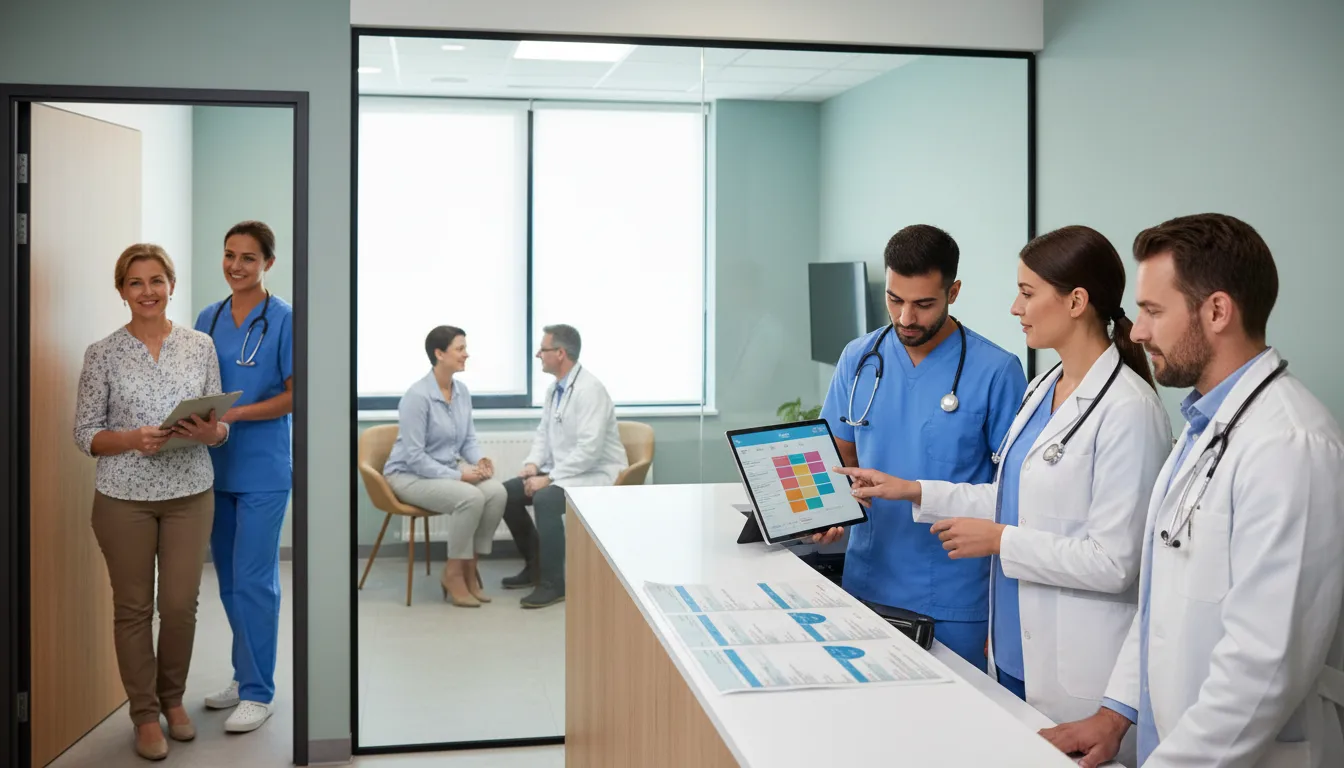
Summary: In Los Angeles, clinics using practice management systems report improved operations, with smoother appointment scheduling, cleaner billing, and reduced paperwork. These systems enhance communication, decrease errors, and improve patient experiences, leading to better reviews and increased patient retention. By optimizing workflow and time management, clinics can provide more efficient and personalized care, ultimately thriving in a competitive healthcare environment.
Running a Smoother Clinic
Clinics live on their schedules. A missed appointment here, a double-booked slot there, and suddenly you're staring at a packed waiting room and frustrated staff. Getting workflow right keeps patients happy and the doors open. Places like Pediatric Urgent Care in Anaheim have proved it works, they've pulled a 5/5 rating from over 216,000 reviews. Florida Atlantic Medical Group - Primary Care in Boca Raton hits the same marks, with near-perfect scores from 60,000 patients. These clinics show how practice management systems can change the game.
Key Takeaways
Happy patients stick around. Look at Pediatric Urgent Care in Anaheim, their high ratings didn't happen by accident. They cut wait times, answered questions fast, and treated each visit like it mattered. When clinics nail the basics, patients notice. They leave good reviews, tell their friends, and come back next time they need care. That kind of reputation builds over time, but it starts with getting the day-to-day right.
Personalized care makes a difference too. Florida Atlantic Medical Group takes time to listen and tailor treatments. Patients aren't just files in a cabinet, they're people with specific needs and concerns. Understanding that builds trust and better outcomes. It's why clinics that focus on individual care tend to score higher with their patients.
Practice management tools help. In Los Angeles, clinics using these systems report smoother operations. Appointments get booked correctly, billing runs cleaner, and staff spend less time chasing paperwork. Mistakes drop, communication improves, and patients see the difference. It's not magic, it's just better organization.
Marketing matters in healthcare. That's where solutions like Clinads come in. They help clinics connect with the right patients at the right time. Smart outreach brings people in the door and keeps them engaged with their care.
Finally, technology ties it together. Electronic records, telehealth options, and automated reminders make clinics run tighter. Data flows cleaner, decisions get smarter, and bottlenecks ease up. When tech works right, patients notice faster service and smoother visits. Staff get less bogged down in busywork, and everyone breathes a little easier.
Clinics that nail their workflow don't just survive, they thrive. Patients come back, reviews stay positive, and the whole operation runs leaner. It's not easy, but it's worth the work.
How Clinics Got Their Time Back
The reception desk at Children's Hospital LA used to be a war zone. Phones ringing off the hook, clipboards piling up, parents bouncing cranky kids while waiting to fill out forms. Now? Half those headaches disappeared when they moved bookings online and installed check-in kiosks. Patients walk straight to their appointments instead of standing in line.
Paper charts were the other disaster. Nurses wasted hours tracking down missing files or deciphering doctor handwriting. Electronic records fixed that overnight. Every provider sees the same updated file instantly. Mistakes dropped 40% at one Pasadena practice just by switching to digital prescriptions that go straight to pharmacies.
Some changes aren't as visible but matter just as much. Automated reminders cut no-shows by reminding patients the day before. Telemedicine saves rural families three-hour drives for simple follow-ups. Staff spend less time on paperwork and more time actually talking to people.
Anaheim Pediatrics cracked the code on patient flow. Their secret weapon? Treating time like gold. Online booking eliminated phone tag. Digital check-ins prevent front desk logjams. Rooms stay ready because the system tracks visit lengths down to the minute. Reviews rave about 15-minute waits instead of hour-long marathons.
What makes a clinic visit good versus miserable? Sure, medical expertise comes first. But speed and organization run a close second. Nobody wants to sacrifice their whole afternoon waiting for a ten-minute consult. Physical space plays a role too - bright, clean areas with clear signs help nervous patients relax before seeing the doctor.
Never underestimate the human factor. A warm greeting from the receptionist or a nurse who actually listens can turn a stressful visit around. Patients remember how they were treated long after forgetting their cholesterol numbers. The best providers explain conditions in plain English and never make people feel rushed.
Top clinics go beyond treatment. They send patients home with easy-to-read instructions, not scribbled notes. They offer support groups for chronic conditions. They call to check on recovery progress. Because people heal better when they understand their care instead of just following orders.
When Your Clinic Staff Isn't Drowning
The difference between a smooth clinic and a chaotic one? No one's carrying the whole operation on their back. Patients move through faster when nurses aren't playing medical Tetris with their schedules. Modern tools now show which staff members are barely keeping their heads above water and who's got capacity to help.
Take the pediatric clinic over on Maple. Their head nurse noticed the afternoon crew kept quitting after six months. By tracking just three things, how many patients each provider saw, typical wait times, and which tasks took longest, they realized scheduling all the complex cases before lunch was burning people out. A simple shift in timing cut turnover by half.
Here's the thing about workload balance: it's not about hours logged. The ENT specialists downtown proved this when they started matching patient difficulty with staff temperament. Some nurses handle high-intensity cases all day without breaking stride. Others do their best work with steady, predictable routines. Their secret weapon? 30% flagged mismatches before anyone got overwhelmed.
Software That Doesn't Make Things Worse
LA clinics face an odd problem, too many decent options. Practice management systems all promise the moon, but only a handful actually work for small offices. The real test comes six months post-install, when the shiny demo period ends and the daily grind begins. Ask other clinic managers what they're still using after the sales team left the building.
Implementation fails happen for boring reasons. Before you sign anything: 1 Write down every task that makes your staff groan 2 Time how many clicks each one currently takes 3 Make vendors show you those exact workflows live
The cardiology group learned the hard way that flashy features mean nothing if systems won't talk to each other. They wasted $18,000 on a supposedly cutting-edge platform that couldn't import their patient history. Meanwhile, the downtown urgent care sticks with ancient software because their 2am panic calls get answered before the third ring. Reliability beats bells and whistles every time.
How to Choose the Right System
When selecting a practice management system, consider your clinic's specific needs. Evaluate the features offered by different systems and how they align with your operational goals. It's also essential to consider the scalability of the system to accommodate future growth. Consulting with experts or peers who have implemented similar systems can provide valuable insights.
The right practice management system can significantly enhance a clinic's efficiency and patient care. To make an informed decision, clinics should begin by outlining their specific needs and priorities. This may involve conducting a needs assessment to identify areas where technology can improve operations, such as appointment scheduling, billing, or patient communication.
Once the clinic's needs have been identified, the next step is to research and compare different practice management systems. This involves evaluating the features and capabilities of each system and determining how well they align with the clinic's operational goals. For example, a system with robust scheduling features and automated reminders may be ideal for a clinic looking to reduce no-show rates and improve patient flow.
Scalability is another important consideration when selecting a practice management system. As clinics grow and evolve, their needs may change, and the chosen system should be able to accommodate this growth. A scalable system that can adapt to changing demands and integrate with new technologies will ensure long-term success and sustainability.
Consulting with experts or peers who have implemented similar systems can provide valuable insights and guidance. By learning from the experiences of others, clinics can avoid common pitfalls and make more informed decisions. Additionally, seeking input from staff members who will be using the system can help ensure that the chosen solution meets the needs of all stakeholders.
Conclusion
Optimizing clinic workflow and time management is essential for enhancing patient satisfaction and operational efficiency. By integrating technology and choosing the right practice management system, clinics can streamline operations and improve patient care. Consider leveraging tools like Clinads to further enhance your clinic's marketing and patient engagement strategies.
In today's competitive healthcare landscape, clinics must continually strive to improve their operations and deliver exceptional patient care. By embracing technology and implementing effective practice management systems, clinics can optimize their workflows, reduce administrative burdens, and enhance the overall patient experience. This not only leads to higher patient satisfaction but also contributes to a more successful and sustainable healthcare practice.
Frequently Asked Questions
How can technology improve clinic workflow?
Technology can automate routine tasks, streamline scheduling, and enhance patient communication, leading to reduced wait times and improved patient flow. By integrating electronic health records (EHRs), telemedicine platforms, and automated appointment reminders, clinics can modernize their operations and provide more efficient and convenient care.
What
are the benefits of using a practice management system? These systems enhance efficiency by automating administrative tasks, improving scheduling, and facilitating better patient communication, ultimately leading to higher patient satisfaction. Practice management systems also provide valuable insights into clinic performance, helping management make data-driven decisions to optimize operations.
How do
I choose the right practice management system? Consider your clinic's specific needs, the features offered by the system, ease of use, integration capabilities, and scalability to ensure it aligns with your operational goals. Consulting with experts or peers who have implemented similar systems can provide valuable insights and guidance in making an informed decision.
Why is patient satisfaction important for clinics?
High patient satisfaction leads to positive reviews, increased patient loyalty, and can drive more bookings, as seen with clinics like Pediatric Urgent Care in Anaheim. Satisfied patients are more likely to recommend the clinic to others, contributing to a stronger reputation and increased revenue.
How can Clinads help my clinic?
Clinads can enhance your clinic's marketing efforts and improve patient engagement, contributing to better patient experiences and satisfaction. By leveraging data-driven strategies and personalized messaging, Clinads helps clinics reach their ideal patient demographics and improve patient acquisition and retention.
Related reading
- Optimizing Clinic Workflow and Time Management
- Choosing the Right Infusion Center Software: A Comparative Guide for Clinic Owners
- Choosing the Right Clinical Software: A Comparison for Clinic Owners
Sources
- Pediatric Urgent Care in Anaheim | Walk-In Clinic
- Florida Atlantic Medical Group - Primary Care
- Optum Ear, Nose and Throat (Otolaryngology) - Glen Cove, NY
- Weight Loss Center in St. Augustine | Crescent Beach Care
- Plattsburgh Family Health: Quality Primary Care ...
- Cancer Institute
- Mount Carmel Heart & Vascular Specialists Hilliard
- Christopher Y. Maeda, MD | Bothell, WA - Providence
- Heart Center Doctors in Bradenton | HCA Florida Blake Hospital
- Find occupational health in Midland, MI
- How To Help Patients Understand Why We Are Behind

